How to Look Expensive on a Budget: 20+ Ideas That Actually Work
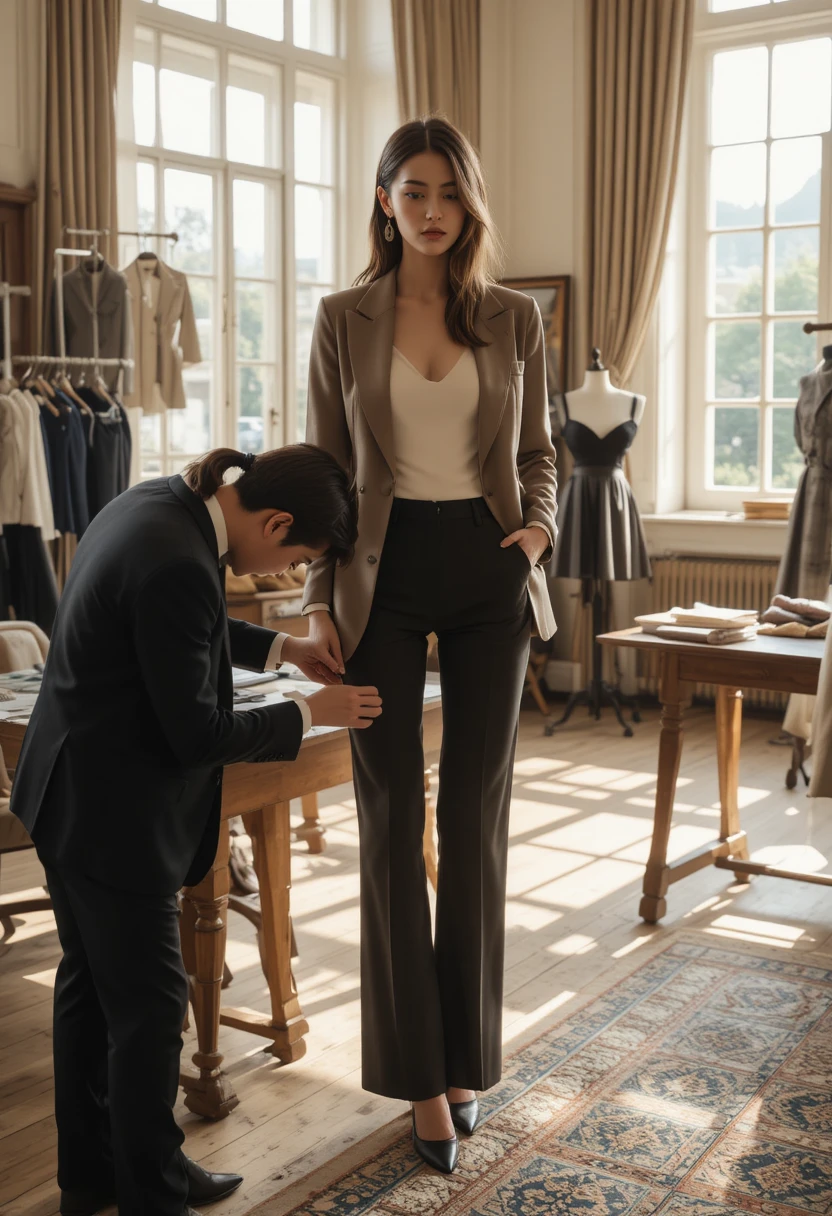
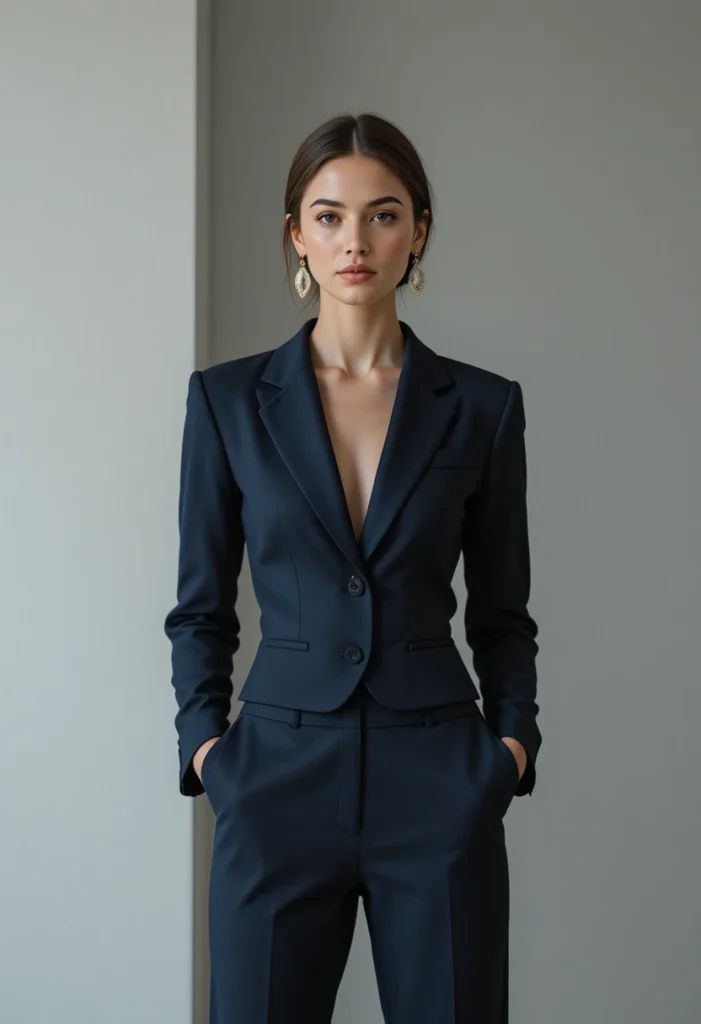
You’ve seen her the woman who walks into a room in a $40 outfit and somehow looks like she just left a private shopping appointment. She’s not secretly rich. She’s not wearing a single designer label. She’s just figured out something most people never do: looking expensive was never about the price tag. It’s about a handful of small, repeatable decisions.
This guide breaks down 20+ of those decisions — the fit tweaks, color rules, fabric swaps, and finishing touches that instantly upgrade any outfit, no matter what it cost. Save this one, because you’ll want to come back to it before every closet edit.
The Truth About Looking “Expensive”
Before the list, one mindset shift: expensive-looking style is quiet, not loud. It leans on clean lines, restraint, and a handful of well-chosen basics rather than trends, logos, or piles of accessories. Keep that idea in mind as you go through the tips below — almost every one of them comes back to it.
Fit & Tailoring: The Fastest Way to Look Expensive
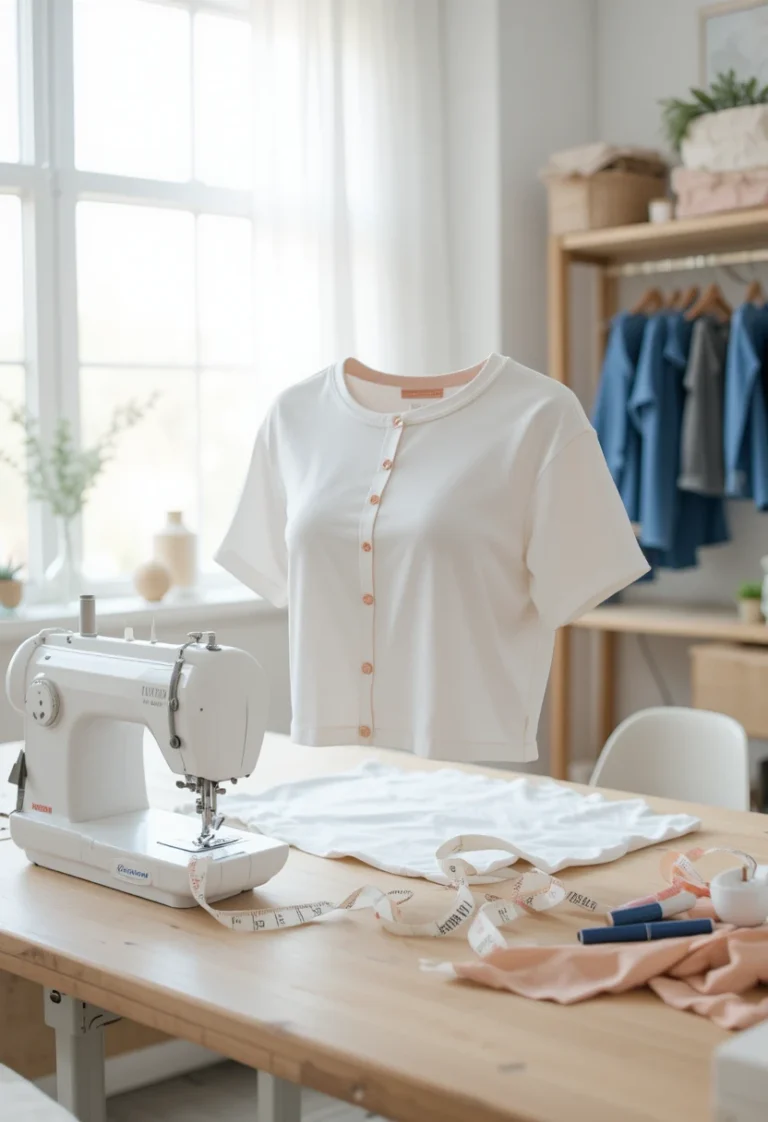
1. Get things altered
A $20 dress with a proper hem and a nipped-in waist will always beat a $200 piece that doesn’t fit. Tailoring is the single highest-return investment in your entire wardrobe.
2. Check your shoulder seams.
On tops and jackets, the seam should sit right at the edge of your shoulder — not drooping down your arm, not pulling up your neck. This one detail separates “cheap” from “custom” at a glance.
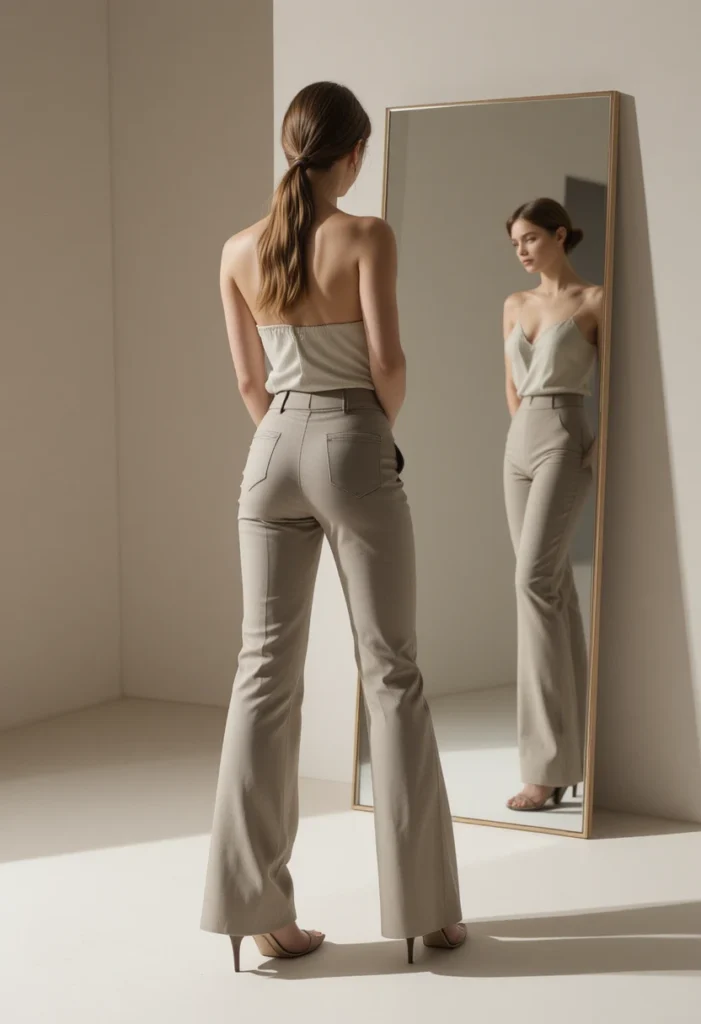
3. Watch your hems.
Pants that break perfectly at the shoe, skirts that hit at the most flattering point on your leg — a $10 hemming job can transform an off-the-rack piece into something that looks made for you.
4. Roll your sleeves with intention.
A neat, deliberate sleeve roll on a button-down or sweater adds a small styling detail that reads as effortless rather than sloppy.
5. Avoid gaping buttons and drooping fabric.
If a blouse pulls at the bust or a waistband gapes, it will look cheap regardless of the brand. Fix it with a quick stitch, or size up and tailor down.
Color & Pattern Rules That Instantly Elevate
6. Build outfits in one color family.
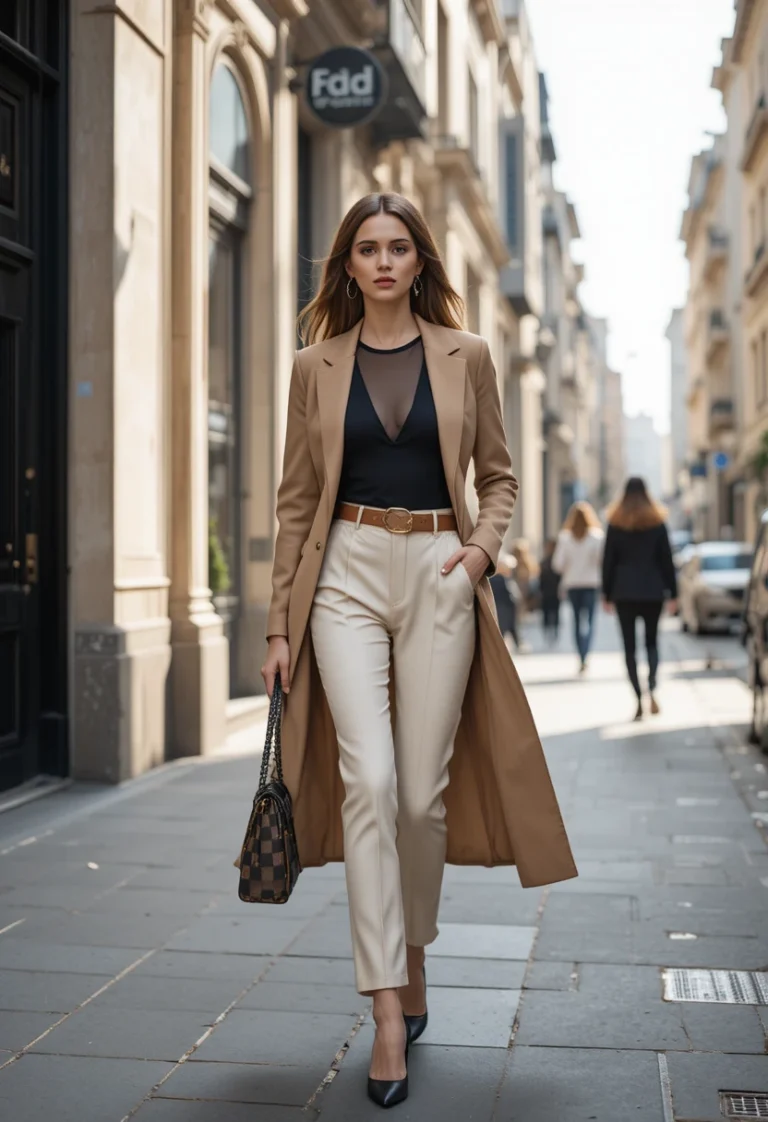
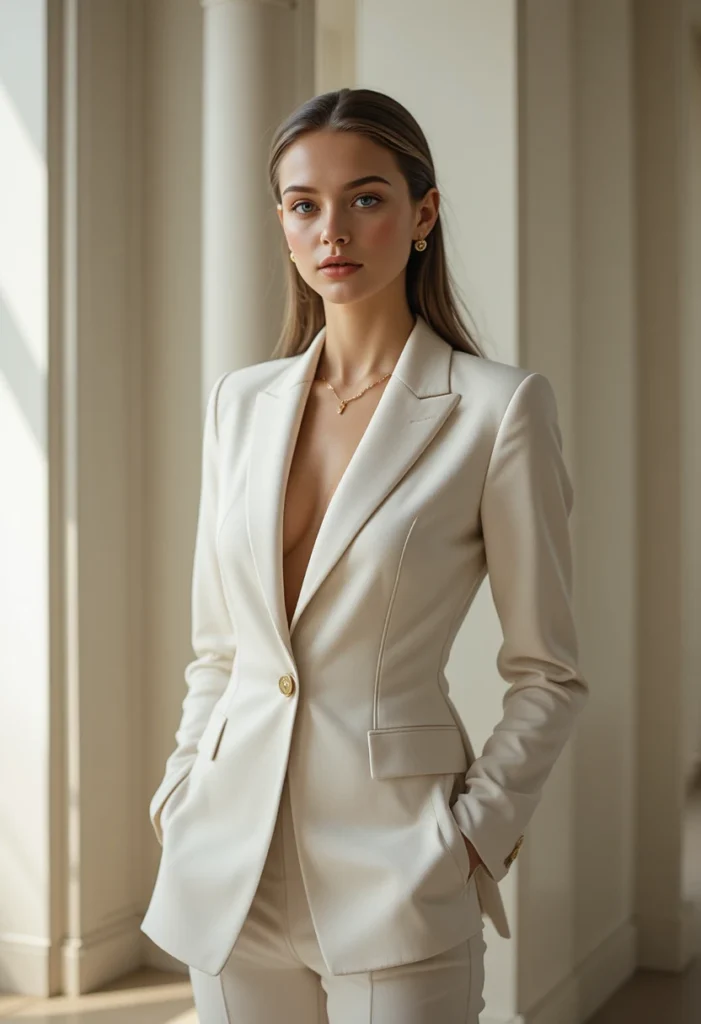
A monochromatic look — especially in a neutral like camel, ivory, black, or navy — reads as intentional and expensive instantly. Mixing in different textures within the same color keeps it interesting rather than flat.
7. Lean on “quiet luxury” neutrals.
Camel, beige, ivory, gray, and black photograph and read as more expensive than bright, busy colors — no matter what the item actually cost.
8. Choose solids over loud prints.
Budget fabric shows its quality fastest in busy, cheap-looking prints. A solid color in the same fabric will almost always look more premium.
9. Limit yourself to two or three colors per outfit.
Restraint is the entire trick here. The more colors and patterns you add, the more “thrown together” — rather than curated — an outfit reads.
Fabric & Texture Choices
10. Prioritize fabrics that don’t wrinkle.
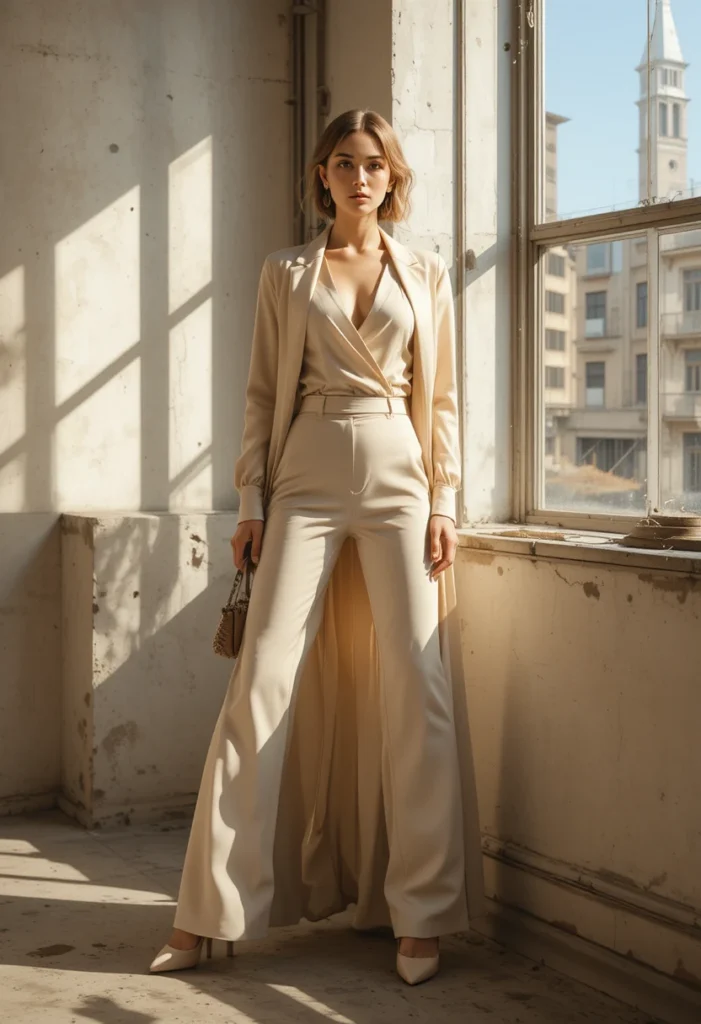
Ribbed knits, structured blends, and quality synthetics that resist creasing will look pulled-together all day, while flimsy, wrinkle-prone fabric undoes an outfit within an hour.
11. Choose leather, suede, or good faux versions.
Leather and faux leather (jackets, bags, boots) instantly read as higher-end than most other materials, and budget-friendly vegan leather has come a long way.
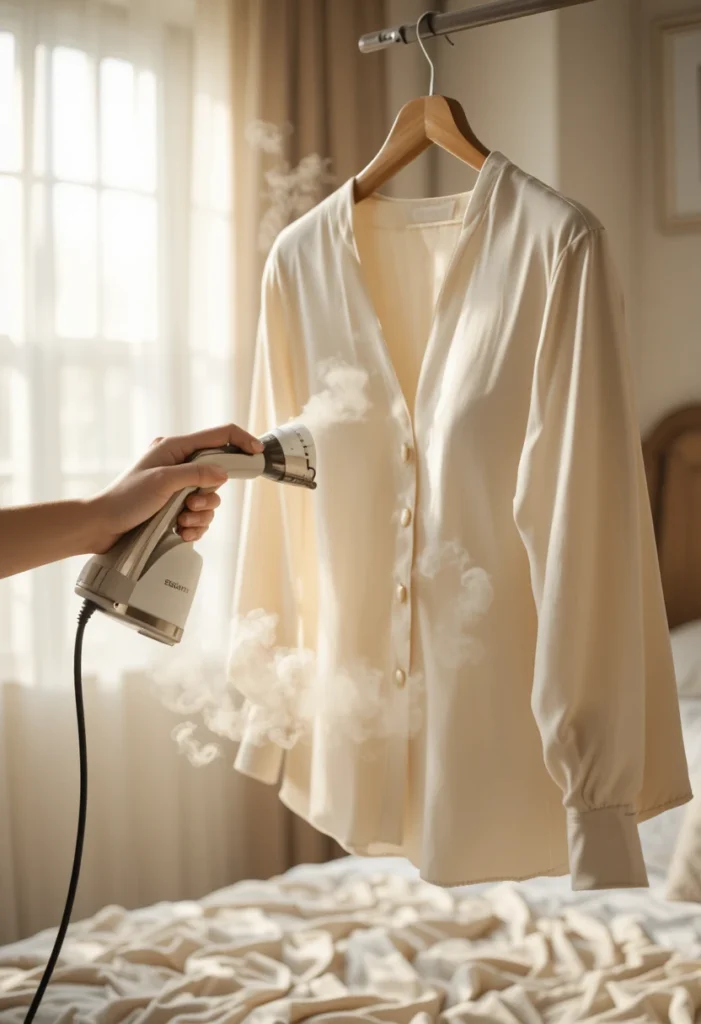
12. Steam, don’t just iron.
A wrinkled blazer looks like you slept in it; two minutes with a steamer makes the same piece look boutique-fresh. This is free and takes less time than making coffee.
Accessories: Small Swaps, Big Payoff
13. Invest in one great bag.
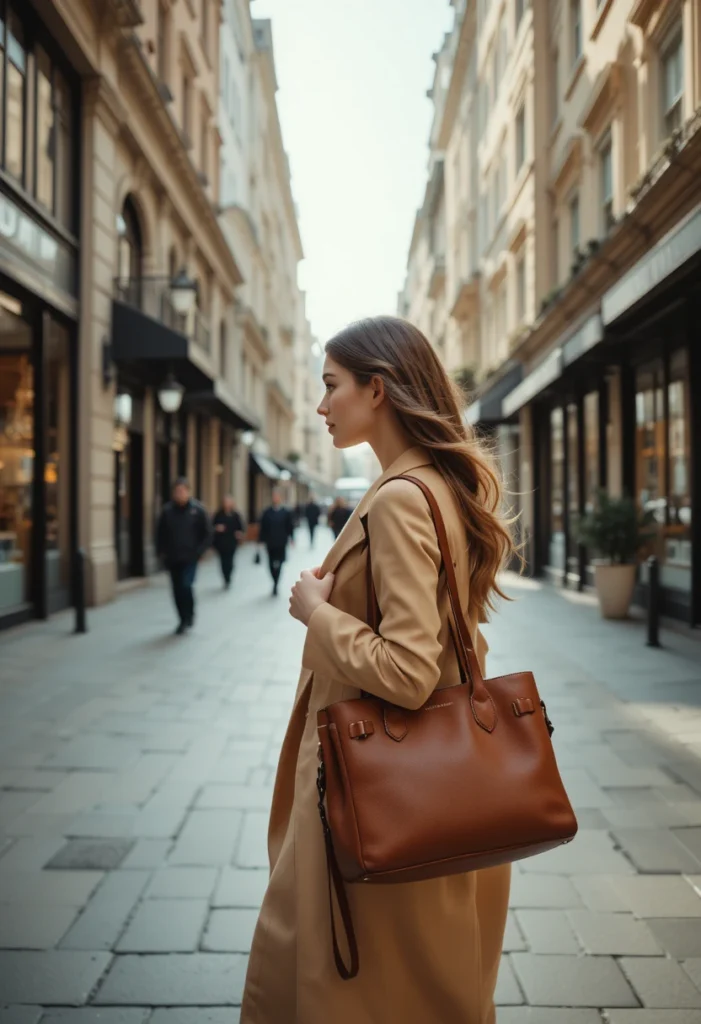
A structured bag in a classic shape and neutral leather tone does more heavy lifting than almost any other single item in your wardrobe.
14. Keep jewelry delicate and minimal.
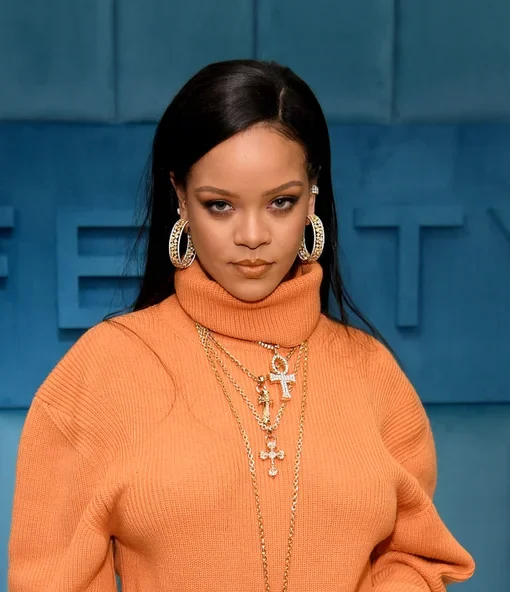
Fine gold or silver-tone pieces, pearl studs, or one clean statement piece look far more expensive than stacks of large, costume-heavy jewelry.
15. Swap out cheap-looking buttons.
If a blazer or coat feels affordable because of chunky plastic buttons, replace them with smaller, fabric-matched buttons for an instant upgrade.
16. Add one elevated layer.
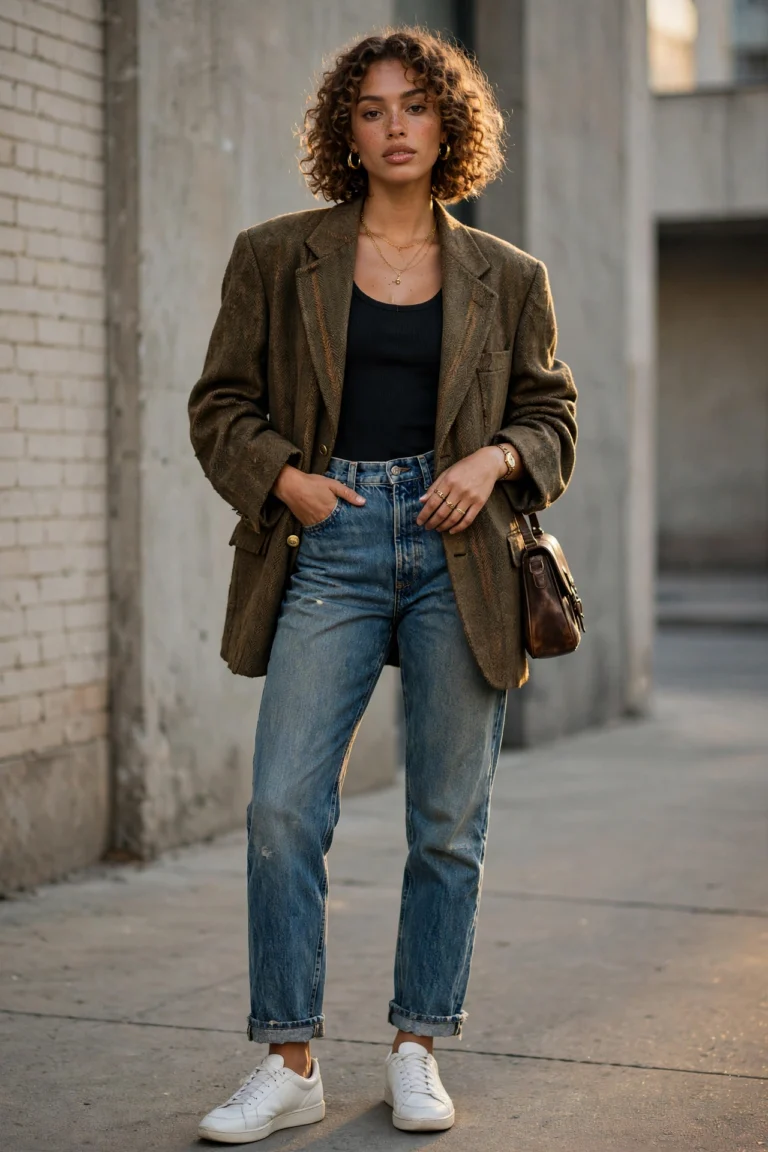
Throwing a blazer over a basic tee, draping a knit over your shoulders, or tying a scarf in your hair signals that an outfit was considered — not just grabbed off a hanger.
17. Choose oversized, simple sunglasses.
A well-fitted, uncomplicated pair of sunglasses looks polished regardless of the label, and works with almost any face shape and outfit.
Shoes, Bags & Details That Signal Quality
18. Keep shoes clean and undamaged.
Scuffed, dirty, or worn-down shoes undercut an entire outfit instantly. Wipe them down, polish leather regularly, and retire anything visibly falling apart.
19. Choose classic shoe shapes.
Loafers, pointed-toe flats, low block heels, and simple leather boots ground a look far more effectively than trendy or overly embellished styles.
20. Match your metals.
Keep jewelry, buttons, buckles, and hardware in the same metal tone (all gold or all silver) throughout an outfit for a cohesive, considered finish.
Grooming & Presentation (The Free Upgrades)
21. Prioritize skin and hair basics.
Clean, moisturized skin and neatly styled hair do more for a “put-together” impression than any single clothing item — and cost nothing extra beyond what’s already in your routine.
22. Keep nails simple and clean.
Neutral or classic polish, kept neat and not overly long, reads as elegant; overdone nail art tends to have the opposite effect.
23. Wear a signature scent.
A consistent, well-chosen fragrance is one of the most memorable parts of looking put-together — and it’s an area where a mid-range bottle performs just as well as a luxury one.
Wardrobe Strategy: Shop Smarter, Not More
24. Build a small capsule of investment basics.
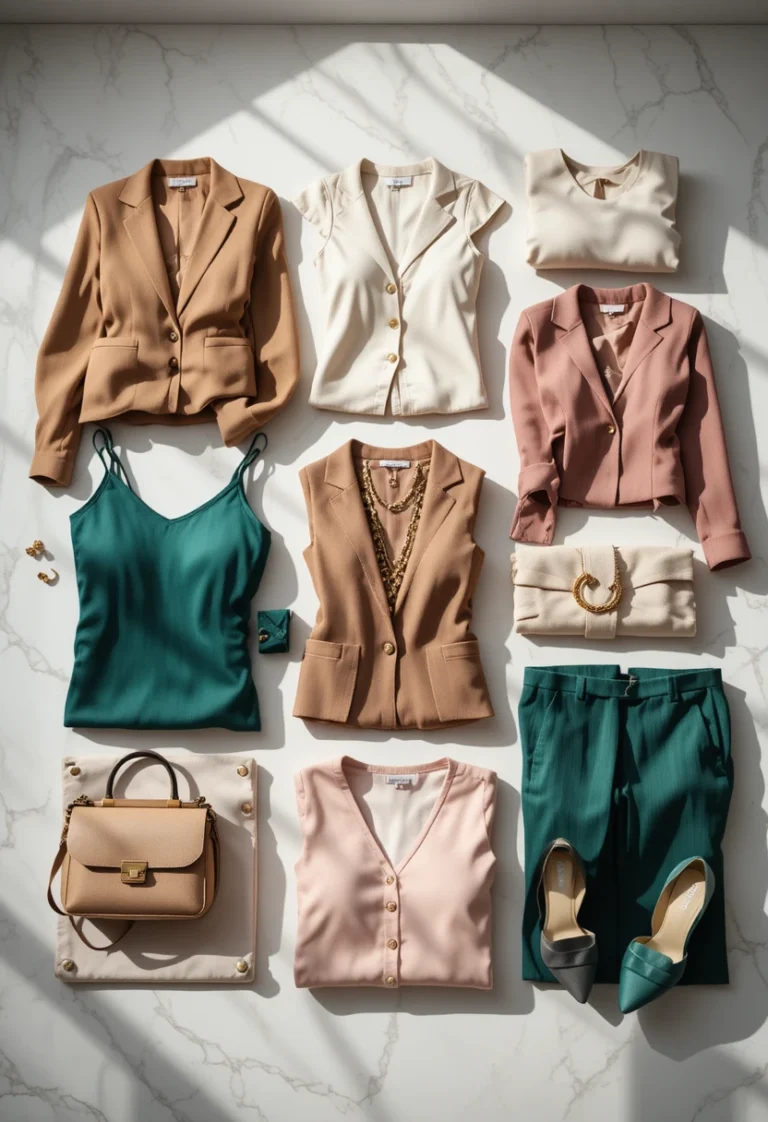
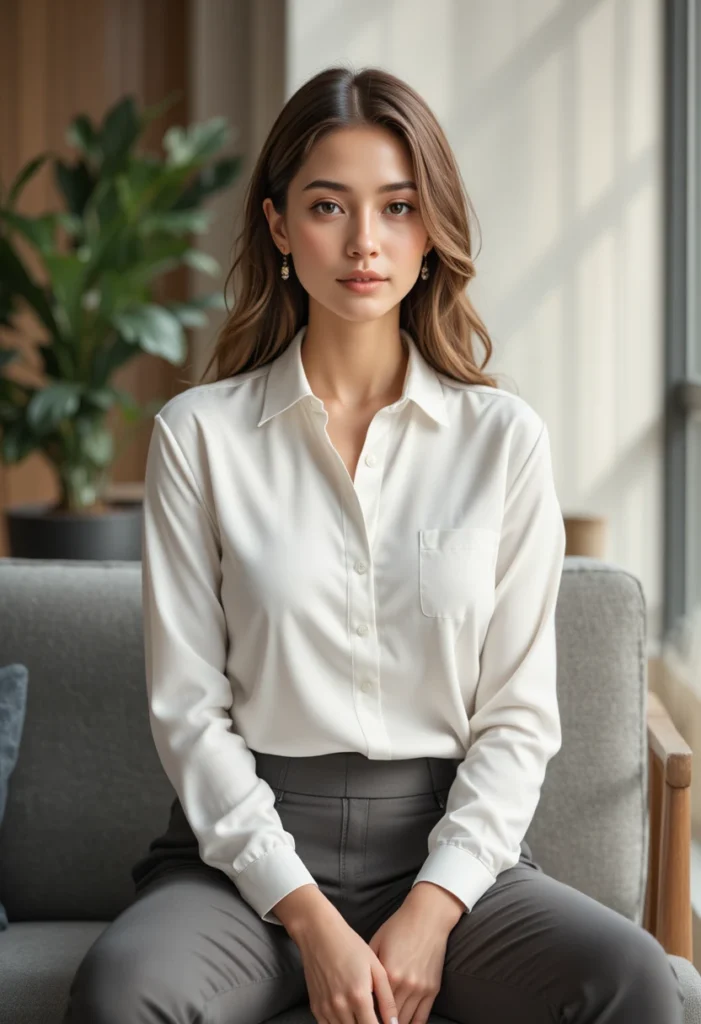
A tailored blazer, well-fitting jeans, black trousers, and a crisp white shirt form a base that makes everything else in your closet look better by association.
25. Repeat your best silhouettes.
The most stylish women don’t buy constantly — they rewear a handful of flattering shapes and simply change the accessories, layers, and colors around them.
Read also:10+ Mary Jane Shoes Outfit Ideas for Women: A Style Guide for Every Body Type
26. Take care of what you already own.
Wash inside-out in cold water, hang-dry delicate pieces, and get items dry-cleaned when needed. Clothes that are cared for last longer and keep their expensive-looking shape.
Frequently Asked Questions
Do I need to spend more money to look expensive?
No. Nearly every tip above is about strategy — fit, color, care, and restraint — not spending power. Some of the most expensive-looking outfits cost less than a dinner out.
What’s the single fastest fix for a cheap-looking outfit?
Steaming or pressing it. Wrinkled fabric is one of the biggest giveaways of a low-effort look, and it’s completely free to fix.
What colors look the most expensive?
Neutrals — camel, ivory, black, gray, and navy — consistently photograph and read as more premium than bright or busy colors.
Is it worth paying for tailoring on budget clothing?
Yes. A properly hemmed and fitted budget piece will almost always outperform an ill-fitting expensive one.
Final Thoughts
Looking expensive was never about the size of your budget it’s about fit, restraint, and a handful of small habits repeated consistently. Start with two or three tips from this list (tailoring and steaming are the easiest wins), build them into your routine, and the rest will follow naturally.