
How to Thrift Shop: 10+ Beginner Tips That Actually Save You Money (and Sanity)
You walk into a thrift store, get hit by a wall of clothes stacked five racks deep, and twenty minutes later you’re standing empty-handed near the exit wondering how everyone on Pinterest and TikTok makes this look so easy. If that’s you, take a breath thrifting isn’t luck. It’s a skill, and like any skill, it gets dramatically easier once someone hands you the shortcuts.
This guide is that shortcut list. Whether you’re thrifting for a wardrobe refresh, home decor on a budget, or just trying to shop more sustainably, these 10+ tips will take you from overwhelmed first-timer to someone who walks out with an actual haul not just a headache.
Why Thrifting Is Worth the Learning Curve

Before the tips, a quick reality check on why it’s worth pushing through the awkward beginner phase:
- The prices are unbeatable. You genuinely cannot buy comparable quality new at thrift prices.
- It’s better for the planet. Every secondhand purchase is one less new item manufactured and one less item in a landfill.
- You get pieces nobody else has. Fast fashion racks look identical everywhere; thrift racks are a genuine treasure hunt.
Now let’s get into exactly how to do it well.
1. Go In With a Loose List, Not a Rigid One
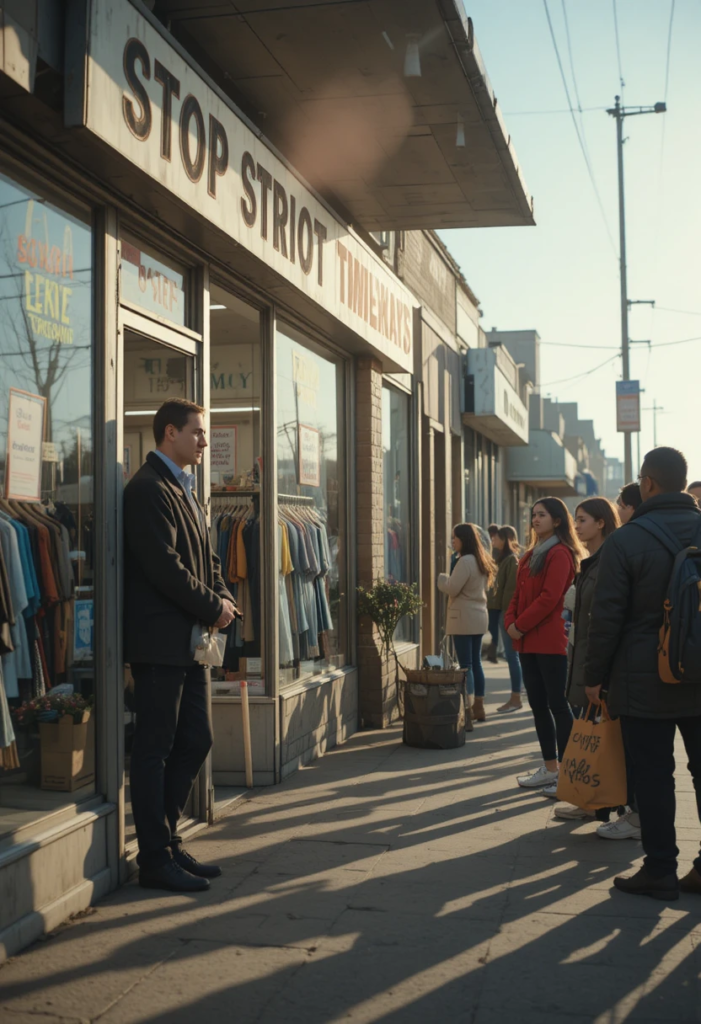
The single biggest beginner mistake is walking in with zero plan and walking out with a cart full of things you didn’t need. Before you go, jot down a short mental (or literal) list of what you’re hunting for a denim jacket, wine glasses, a coffee table. Having a general direction keeps you from feeling buried by the sheer volume of stuff while still leaving room to be surprised.
2. Set a Budget Before You Touch a Single Rack
This sounds unnecessary when everything is $4, but that’s exactly the trap. Low prices trick your brain into over-buying, and you’ll end up back at the donation bin with half your haul in a month. Decide your spending cap before you walk in, and stick to it the way you would at any other store.
3. Time Your Visit Strategically
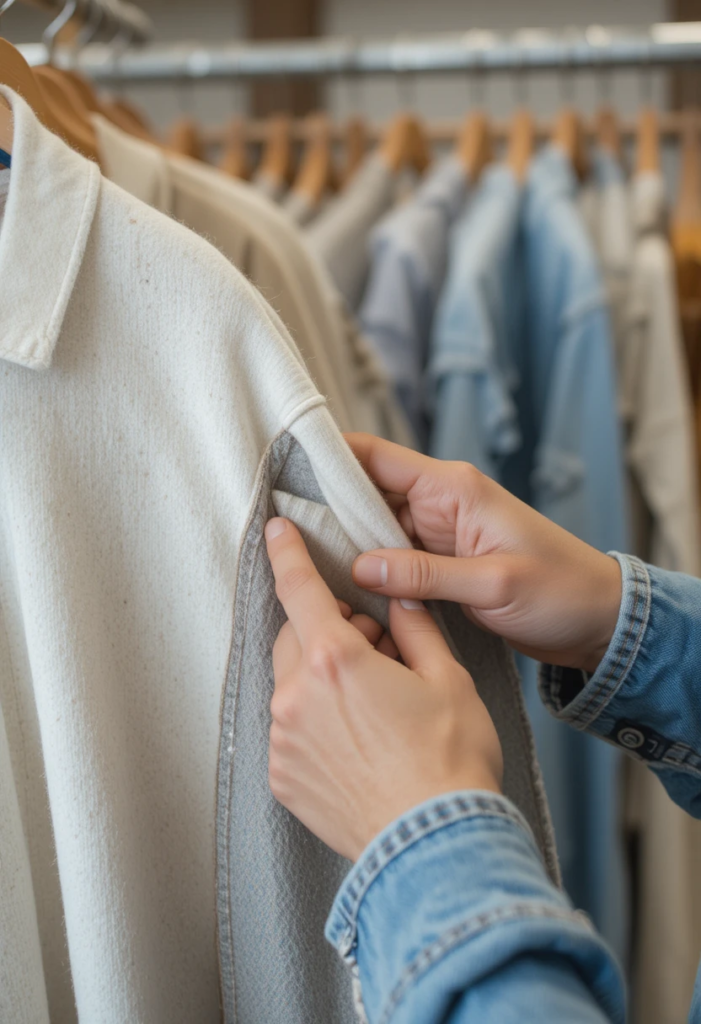
When you shop matters almost as much as where. A few insider timing tips worth knowing:
- Go early in the day. Stores are freshly restocked, cleaner, and far less picked-over than by afternoon.
- Avoid senior discount days or sale days that don’t apply to you — those are the busiest, messiest shopping days of the week.
- Go often, not just once. Inventory turns over constantly, so a store that had nothing last week might be full of gems this week.
4. Scout the Right Neighborhoods
Not all thrift stores are created equal. Locations near higher-income neighborhoods tend to carry more designer and name-brand donations, while stores in dense downtown areas are often busier and more picked-through. Rural thrift shops, meanwhile, tend to be quieter with surprisingly good prices just less frequent turnover. Trial and error is part of the process here; ask friends for recommendations and check reviews before committing a whole Saturday to a new store.
5. Learn to Read Fabric Quality, Not Just Labels
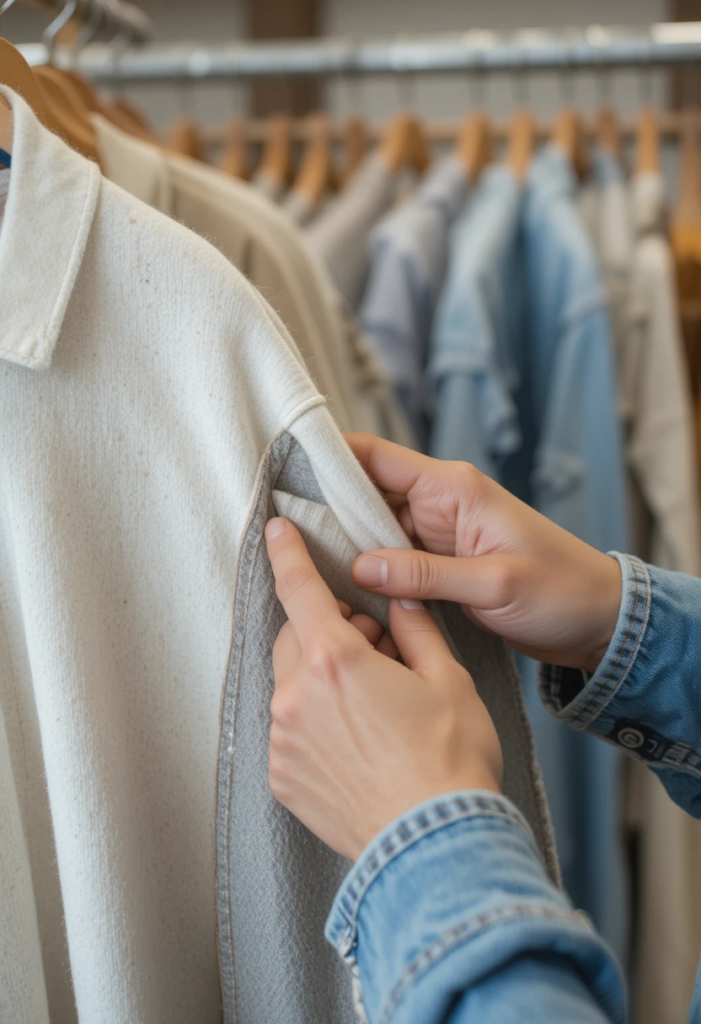
Anyone can read a brand tag the real skill is learning to feel quality with your hands. A few quick giveaways of well-made clothing:
- Natural fibers hold up better. Cotton, linen, silk, wool, or blends of these tend to outlast synthetic fast-fashion fabric.
- Weight matters. Higher-quality garments usually feel slightly heavier or more substantial than their cheap counterparts.
- Check the care tag, usually stitched at the back collar or side seam it often reveals a brand the outer tag doesn’t.
This habit alone will save you from bringing home pieces that fall apart after two washes.
6. Do the “Double Loop”
Walk every aisle once, and you will miss things. Walk it twice, and you’ll almost always find something you overlooked the first time a piece pushed to the back of a rack, a smaller size hiding between larger ones, an item on the very bottom shelf that nobody bothered to bend down for. Treat your first pass as reconnaissance and your second as the real hunt.
7. Check the Bottom Shelves and the Back of the Rack

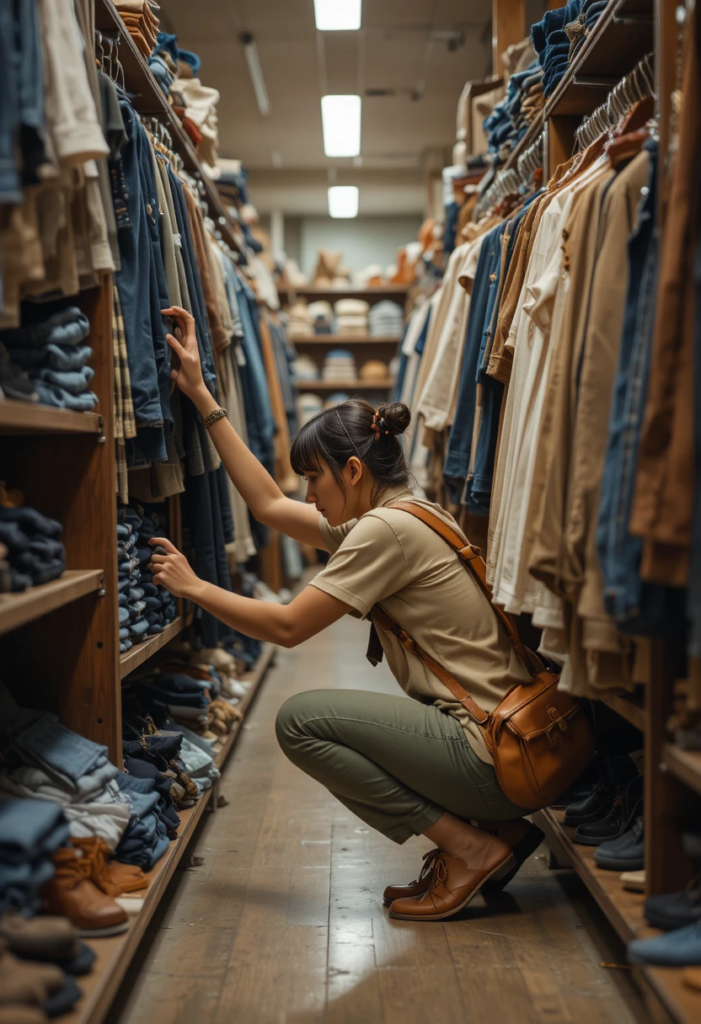
This deserves its own callout because it’s genuinely one of the most repeated pieces of advice from experienced thrifters: the best finds are rarely sitting at eye level. Shoppers skim the middle of shelves and the front of racks, which means the good stuff often ends up untouched at the very back or bottom. Get in the habit of crouching down and digging a little.
8. If You’re On the Fence, Put It in the Cart
Thrift store inventory is one-of-one if you put something back “to think about it,” there’s a real chance it’s gone by the time you circle back, possibly in someone else’s cart. If a piece is within budget and you’re genuinely torn, grab it. You can always return it to the shelf before checkout, but you can’t un-lose a sold item.
Read also: 16+ Bar Outfit Ideas for a Night Out That Feel Effortless, Not Overdone
9. Don’t Buy Something Just Because It’s Cheap

The flip side of low prices is the temptation to buy things you don’t actually need or love simply because they’re a good deal. This is how thrifted hauls quietly turn into a pile of donations six weeks later. Ask yourself the same question you’d ask in a regular store: would I want this if it cost three times as much? If the answer is no, leave it.
10. Don’t Overlook Pieces That Just Need a Little Work
A missing button, a slightly too-long hem, a chipped side table these small flaws are exactly why great pieces end up marked down. If you’re even a little handy (or willing to learn), minor repairs and upcycling projects can turn an overlooked item into one of your favorite pieces. Simple fixes like a fresh coat of paint or cuffing a pair of jeans can unlock a whole category of thrift finds other shoppers skip past.
11. Try Things On Creatively Even Without a Fitting Room

Many thrift stores no longer have fitting rooms. Instead of skipping anything you’re unsure about, wear fitted layers (a tank top and leggings, for example) so you can test tops and bottoms right over your clothes in the aisle. For dresses, this trick lets you pull them on over pants without any awkward exposure.
12. Know Which Brands Are Worth Grabbing on Sight
Not every brand tag deserves a second look, but a few are worth grabbing the moment you spot them, since they’re known for outlasting fast fashion by years. Keep a mental shortlist of 3-5 quality brands you trust, and let that guide your quick scans through crowded racks.
13. Shop Online When In-Person Options Run Dry
If your local stores are picked over or you’re hunting something specific, secondhand shopping apps and marketplaces open up a much bigger pool of inventory. A few habits that make online thrifting safer and smarter:
- Save searches for items on your wishlist so new listings come to you.
- Always check listed measurements rather than relying on the size tag alone.
- Look through every photo and message the seller directly with questions before buying.
14. Accept That Some Trips Will Be a Bust
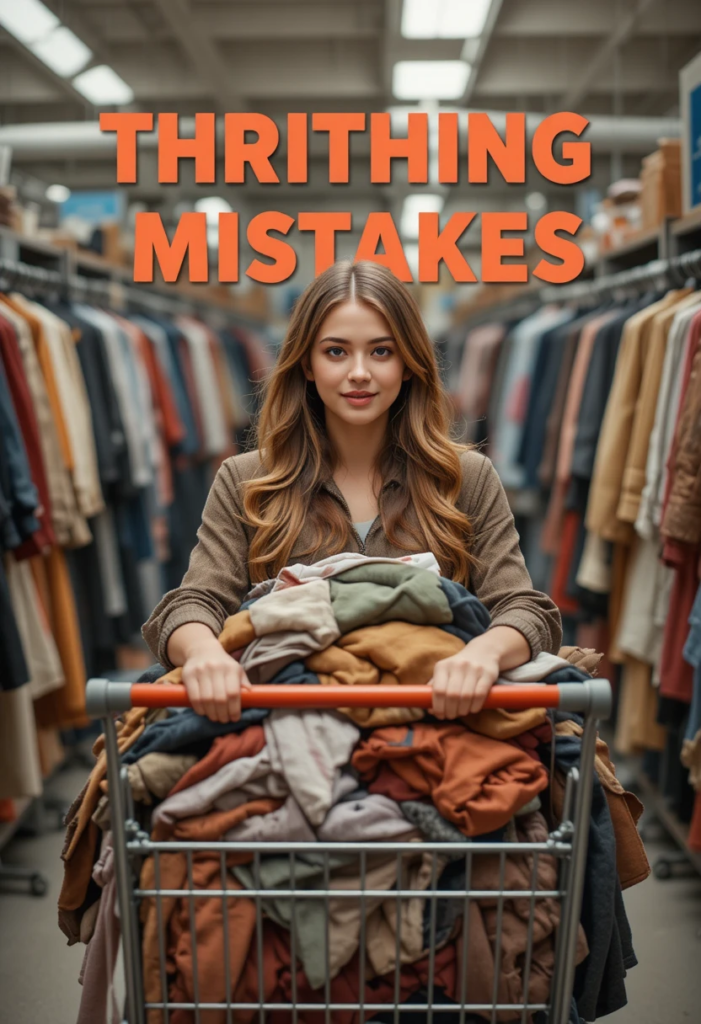
Not every thrift trip ends in a haul, and that’s normal even seasoned thrifters leave empty-handed regularly. Treat a quiet trip as practice rather than a failure. The more consistently you go, the faster you’ll build a feel for your store’s rhythm, restock days, and hidden pockets of good inventory.
Common Beginner Mistakes to Avoid
Quick recap of the traps that catch almost every first-time thrifter:
- Shopping without any plan or budget
- Skimming only eye-level racks
- Skipping items that need a tiny repair
- Buying purely because something is cheap
- Giving up after one disappointing trip
Avoid these five, and you’re already ahead of most beginners.
Frequently Asked Questions
Is thrift shopping actually cheaper than buying new?
Yes, almost always even accounting for the occasional need for alterations or repairs, secondhand prices are typically a fraction of retail.
What’s the best day of the week to go thrifting?
There’s no universal answer, but avoiding discount days that don’t apply to you, and going earlier in the day, generally means better stock and shorter lines.
Do I need to wash thrifted clothes before wearing them?
Yes always wash secondhand clothing before wearing it, regardless of how clean it looks or smells.
Can beginners find designer items while thrifting?
It happens, but it’s inconsistent and often takes patience. Shopping in higher-income neighborhoods and visiting often improves your odds.
Final Thoughts
Thrifting rewards patience more than luck. Walk in with a loose plan, a budget, and a willingness to dig past the first rack you see, and you’ll start noticing quality, catching flaws, and spotting hidden gems faster than you’d expect. The learning curve is real for the first few trips but once the habits above become second nature, thrifting turns from an overwhelming errand into one of the most satisfying parts of your week.