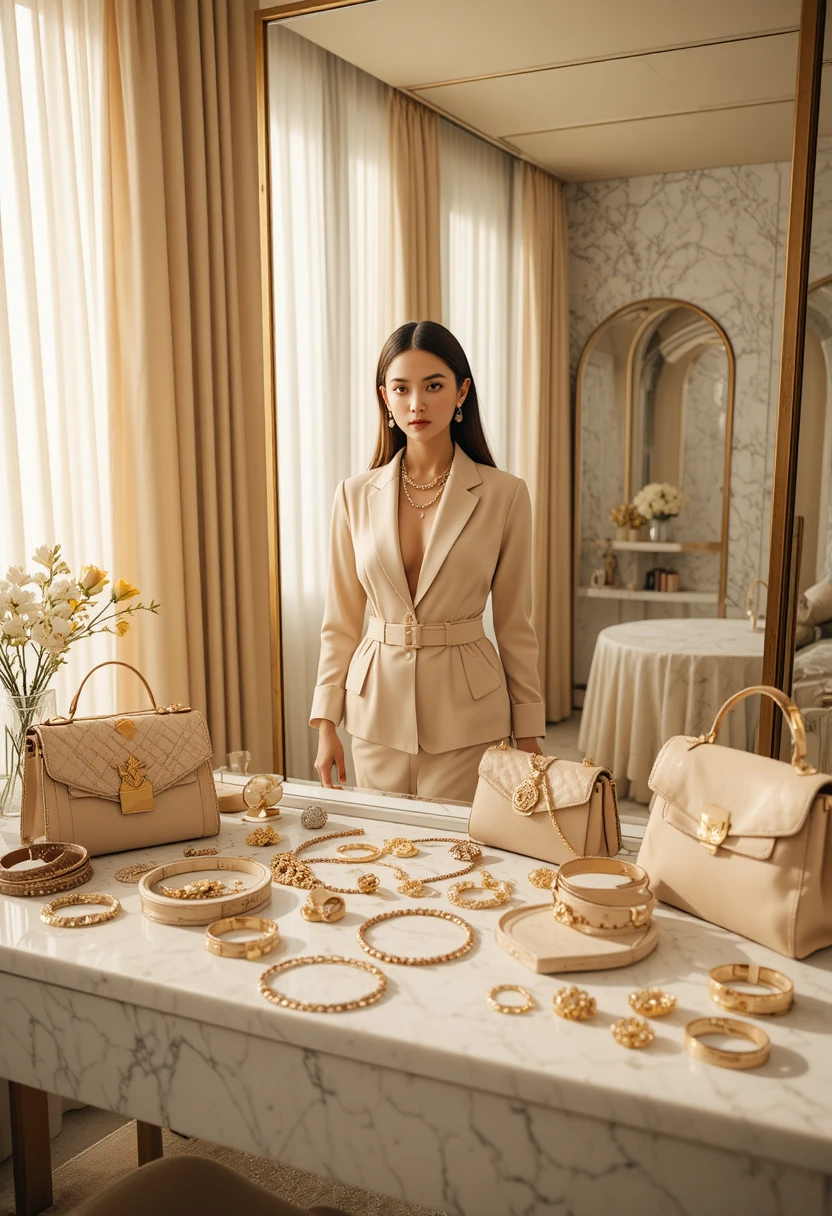
How to Accessorize: 10+ Outfit Tips That Instantly Elevate Any Look
Here’s what separates someone who looks effortlessly put-together from someone who just got dressed: it’s rarely the clothes. It’s almost always the accessories. Two people can wear the identical white tee and jeans, Outfit Tips and one will look like a “before” photo while the other looks intentional the difference lives entirely in the finishing touches.
The good news? Accessorizing well isn’t about owning a closet full of jewelry or a fashion degree. It’s a handful of repeatable principles. Save this list, because tip #2 alone is the single rule that fixes almost every “why does this feel cluttered?” outfit.
The One Rule Behind Every Well-Accessorized Outfit
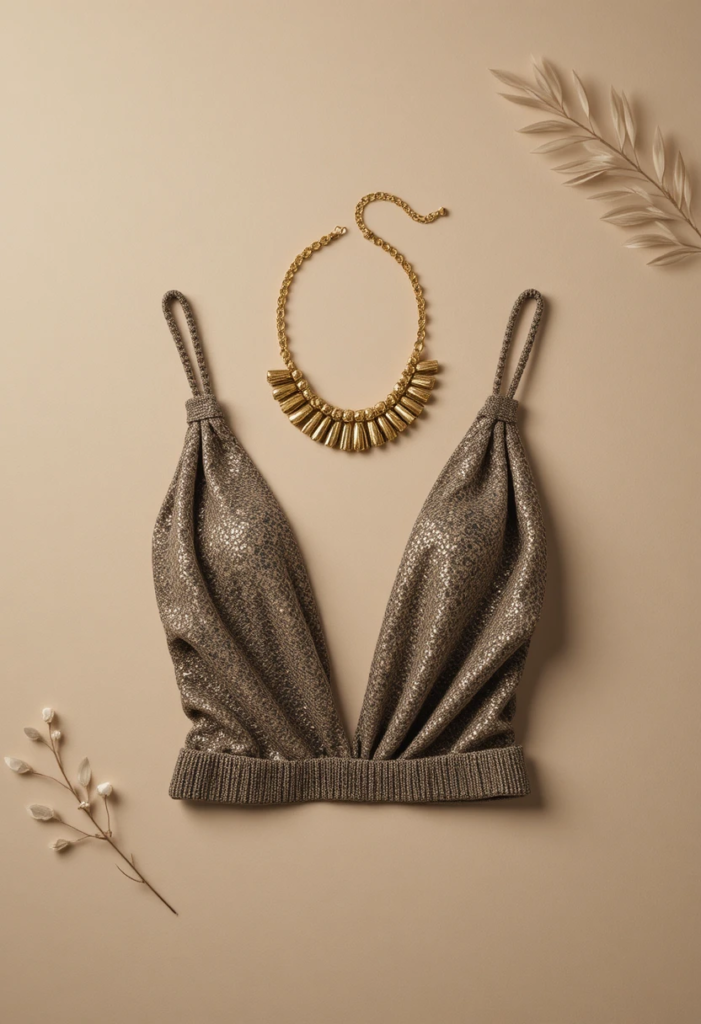
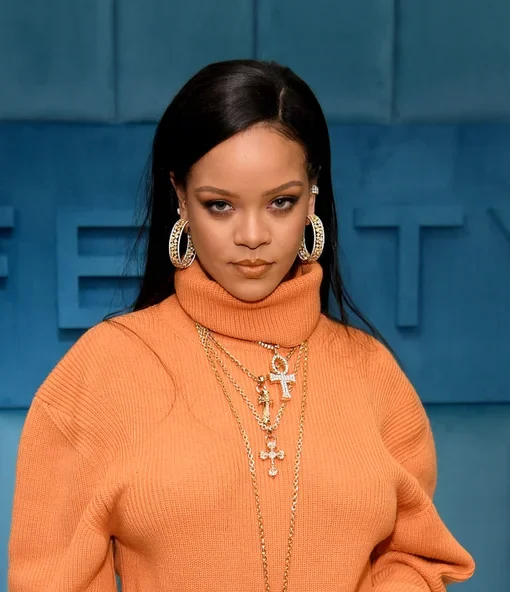
Before the specific tips, one idea underlies almost everything below: choose one hero accessory, then build support around it. Not every piece gets to be the star. A bold necklace, a statement bag, an interesting belt pick one focal point, and let everything else play a quieter, supporting role.
Keep that hierarchy in mind. It’s the thread running through this entire guide.
10+ Tips for Accessorizing Any Outfit
1. Choose One Hero Accessory
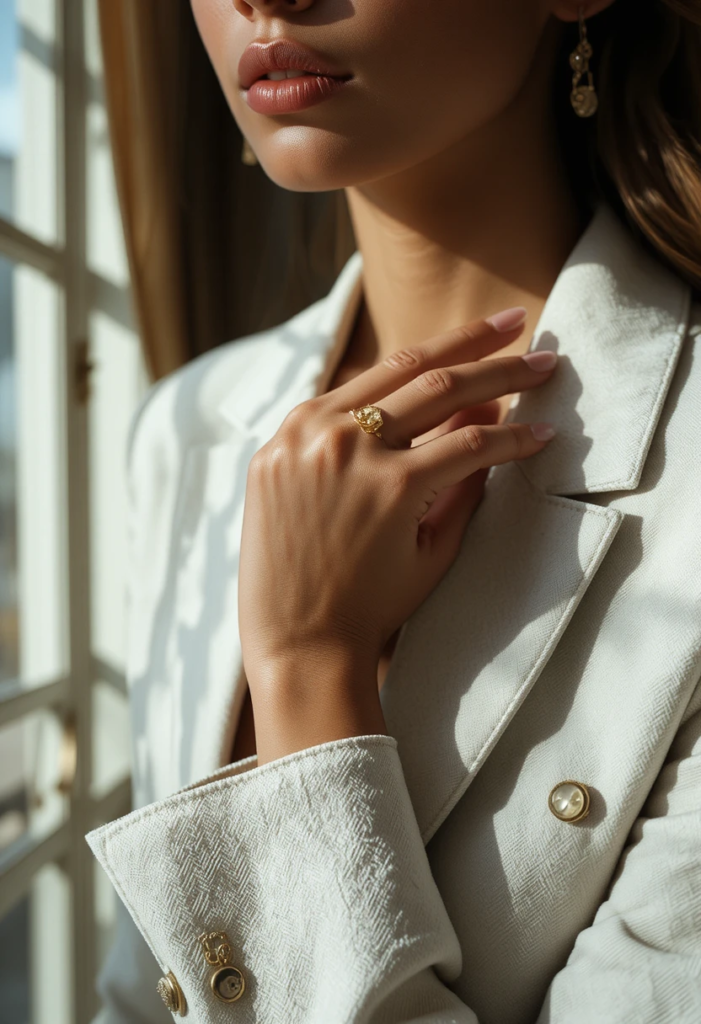
The number one mistake people make is trying to give every piece its moment a bold necklace battling dramatic earrings, a vibrant bag clashing with patterned shoes. The fix: pick one focal point (statement earrings, an interesting belt, a unique watch) and let everything else support it, not compete with it.
2. Big With Small
If your hero piece is large and bold say, a statement necklace keep your supporting pieces small and delicate. Simple stud earrings or a few understated rings let the main piece stay the main piece instead of splitting attention.
Save-worthy tip: If you’re ever unsure whether you’ve over-accessorized, take one thing off before you leave the house. It almost always improves the balance.
3. Match Accessory Weight to Fabric Weight
Chunky, substantial jewelry genuinely works best with heavier fabrics — wool, denim, leather. Lighter, more delicate pieces are the better match for airy materials like silk, satin, and linen. A tiny gold chain gets visually swallowed by a chunky knit sweater; matching the weight keeps the whole outfit balanced.
4. Let Your Outfit’s Tone Guide the Boldness
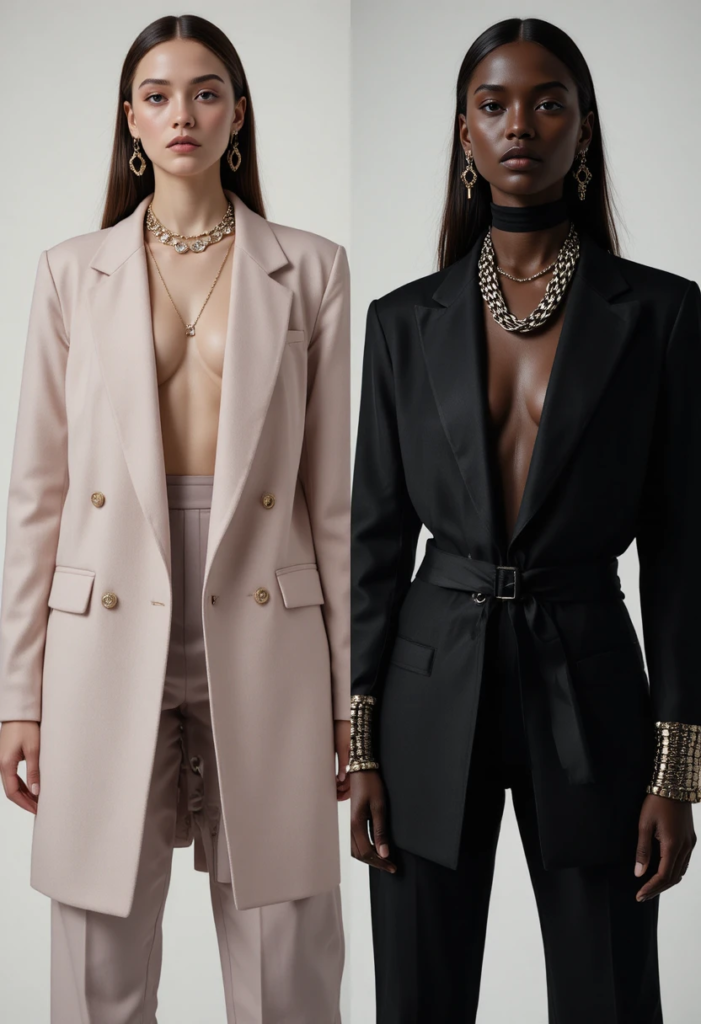
Bold outfits generally work best with minimal accessories, while neutral outfits give you more freedom for statement pieces. Structured outfits pair well with sleek accessories; softer, flowing outfits can handle more texture and movement. Understanding this tone match makes accessorizing feel intuitive instead of like guesswork.
5. Stop Trying to Match Everything Perfectly
Matching accessories can actually read as more conservative than fashion-forward. If you’re not sure what goes together, start simple: add one colorful accessory to an otherwise neutral base, rather than trying to coordinate every single piece.
6. Use Accessories to Transform One Outfit Into Several
A classic little black dress with a blazer and flats reads work-appropriate. Ditch the blazer, swap in stilettos, add statement earrings or a cocktail ring, and the exact same dress is ready for dinner. This is the fastest, cheapest way to get more mileage out of pieces you already own.
Styling tip: Keep two or three go-to “transformation” accessories on hand for days you can’t do a full outfit change.
7. Think About Directional Lines
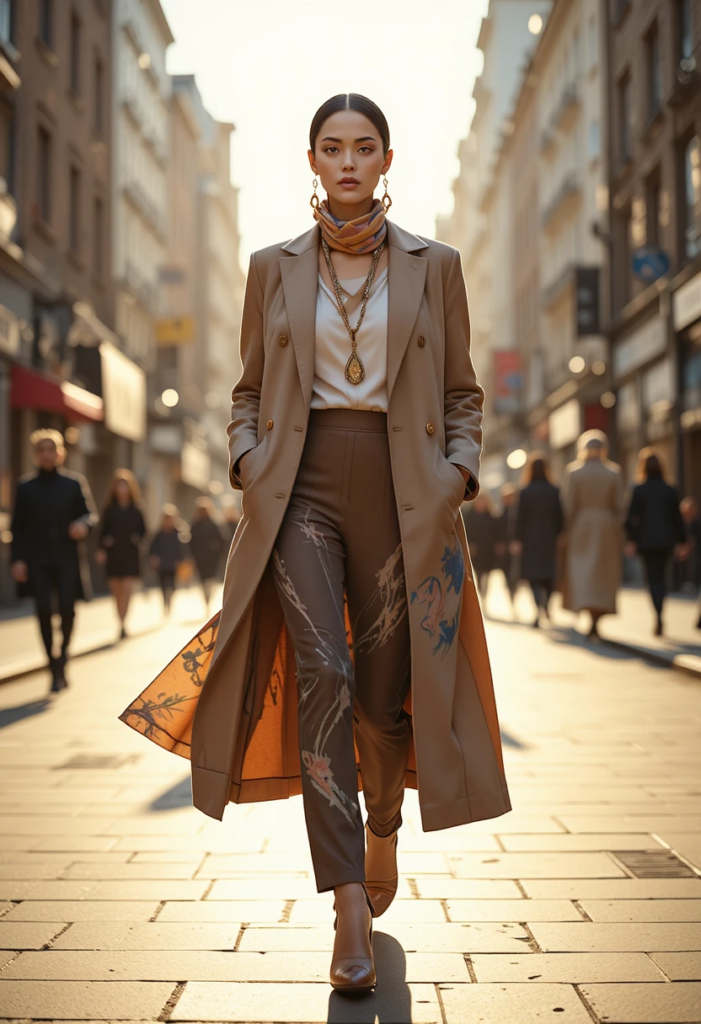
Accessories don’t just add decoration they create visual lines. A long pendant or scarf creates a vertical line that lengthens the torso. A wide belt creates a strong horizontal break. A crossbody strap forms a diagonal. Think about which direction you want the eye to move, and choose accordingly.
8. Placement Changes the Whole Silhouette
The same belt worn at the natural waist emphasizes an hourglass shape; worn lower on the hips, it lengthens the torso and creates a more relaxed proportion. Where you place an accessory matters just as much as which one you choose.
9. Mix Metals and Textures on Purpose
Modern accessorizing has moved away from rigid matching rules mixing silver and gold, or pairing suede with patent leather, woven leather with satin, adds depth and dimension even when the rest of the outfit is completely neutral.
Read also: 16+ Bar Outfit Ideas for a Night Out That Feel Effortless, Not Overdone
10. Scarves Are No Longer Just for Your Neck
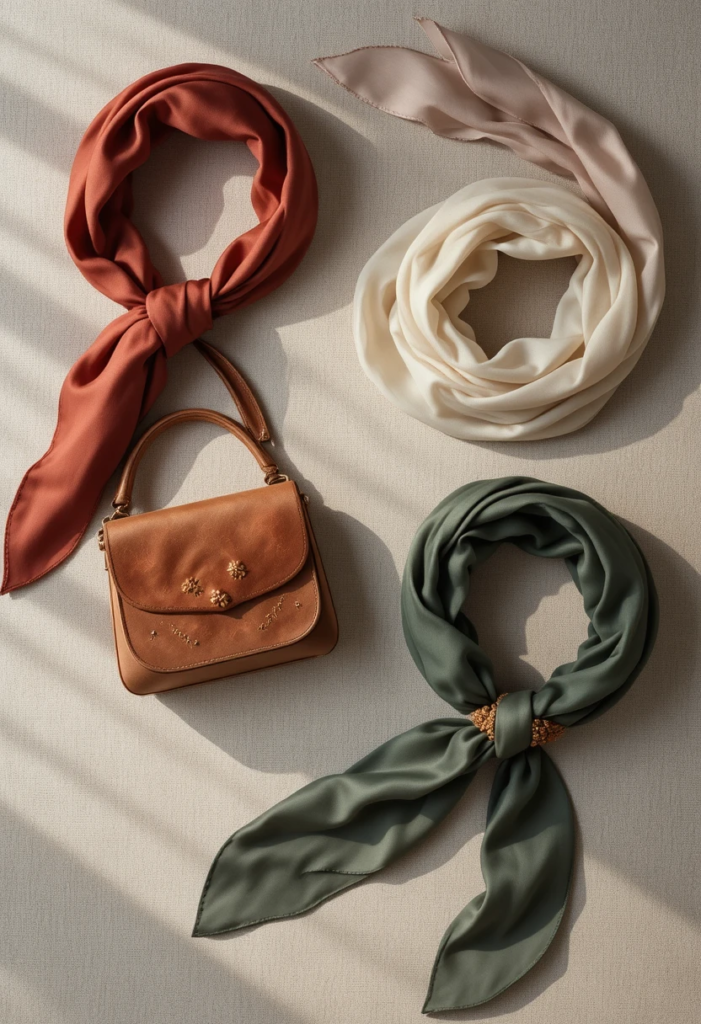
Scarves are having a real comeback, but the styling has changed — try one tied to a handbag handle, worn in the hair, draped over the shoulders, wrapped as a belt, or looped loosely around the neck. They add movement and softness, especially against structured pieces like blazers.
11. Consider Your Body’s Scale
If you’re petite, oversized accessories can genuinely overwhelm your frame an enormous tote or chunky statement necklace can throw off your whole silhouette. On a taller or fuller figure, very delicate pieces can disappear instead of registering. Scale your accessories to your own proportions, not just to trend photos.
12. Stack and Layer With Intention
Stacking rings and layering bracelets and necklaces is a major 2026 trend but the key is intention, not randomness. Mix metals if you like, vary the lengths of layered necklaces, but keep one clear organizing principle (same metal finish, same color family, same texture) so it reads as curated rather than cluttered.
13. Consider the Occasion, Not Just the Outfit
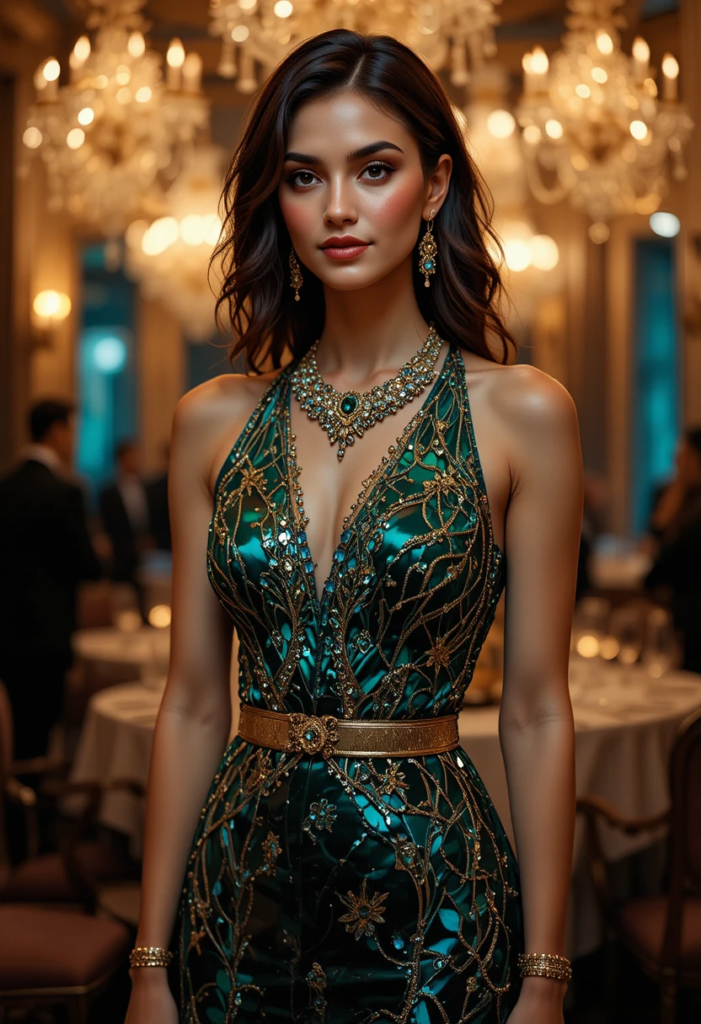
The same base outfit needs different accessory energy depending on where you’re going casual calls for simple necklaces, small hoops, and relaxed shoulder bags, while formal settings call for more refined, polished pieces. Match the vibe of your jewelry to the event, not just to the clothes.
14. Don’t Forget Hair Accessories
Headbands, clips, and silk hair scarves are an easy, often-overlooked way to add polish or edge to an outfit sleek clips read professional for work, while a bold headband feels right for casual outings or a bad hair day save.
15. One Accessory Family Can Coexist With Several Others
The one-hero-accessory rule is a useful default, but it’s not absolute — several expressive pieces can work together when they share a clear visual logic, like the same metal finish, color family, or geometric shape. Coordination, not restriction, is the real goal.
16. Comfort Is Part of Good Styling (Bonus Practical Tip)
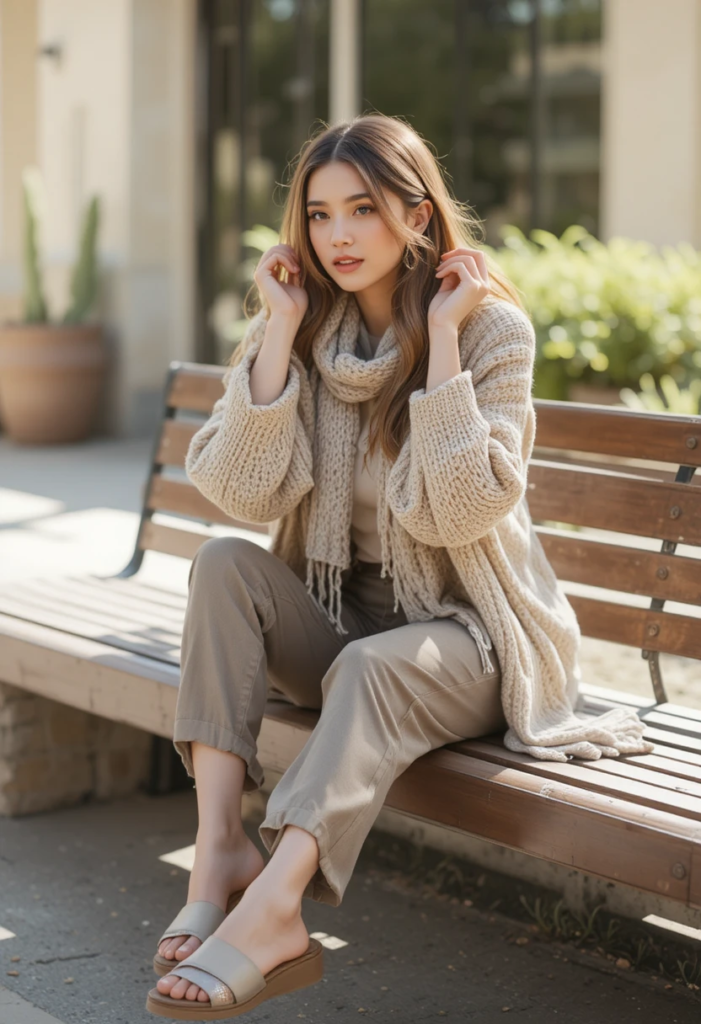
If an accessory feels heavy or awkward, you genuinely won’t wear it with confidence and that shows. Choose lightweight statement earrings over oversized heavy ones, and make sure a structured bag is as practical as it is polished.
Accessorizing FAQ
How many accessories is too many?
There’s no fixed number, but if you find yourself unable to identify which piece is the focal point, you’ve likely added too much removing one piece before you leave the house is a reliable fix.
Do my accessories need to match my outfit’s colors exactly?
No modern styling actually favors thoughtful contrast over exact matching. Try building from a neutral base and adding one confident pop of color instead.
What’s the easiest way to make a basic outfit look intentional?
Choose one hero accessory a bold necklace, an interesting belt, or statement earrings and keep everything else simple and supporting. This single move does more work than adding several small pieces.
Should petite women avoid statement accessories?
Not entirely the key is scale. Oversized pieces can overwhelm a smaller frame, but a well-proportioned statement piece (a medium bold necklace rather than an enormous one) can still work beautifully.
Final Thought
Accessorizing isn’t about owning more it’s about styling with intention: one hero piece, thoughtful scale, weight matched to fabric, and a little willingness to break the old “everything must match” rule. Start with one statement accessory you already own and build outward from there using the tips above. The goal was never to follow every trend — it’s to make even your simplest outfit feel unmistakably like you.
Pin this guide so you’ve always got a go-to accessorizing formula on hand.